
Selecting Reliable Industrial Water Components

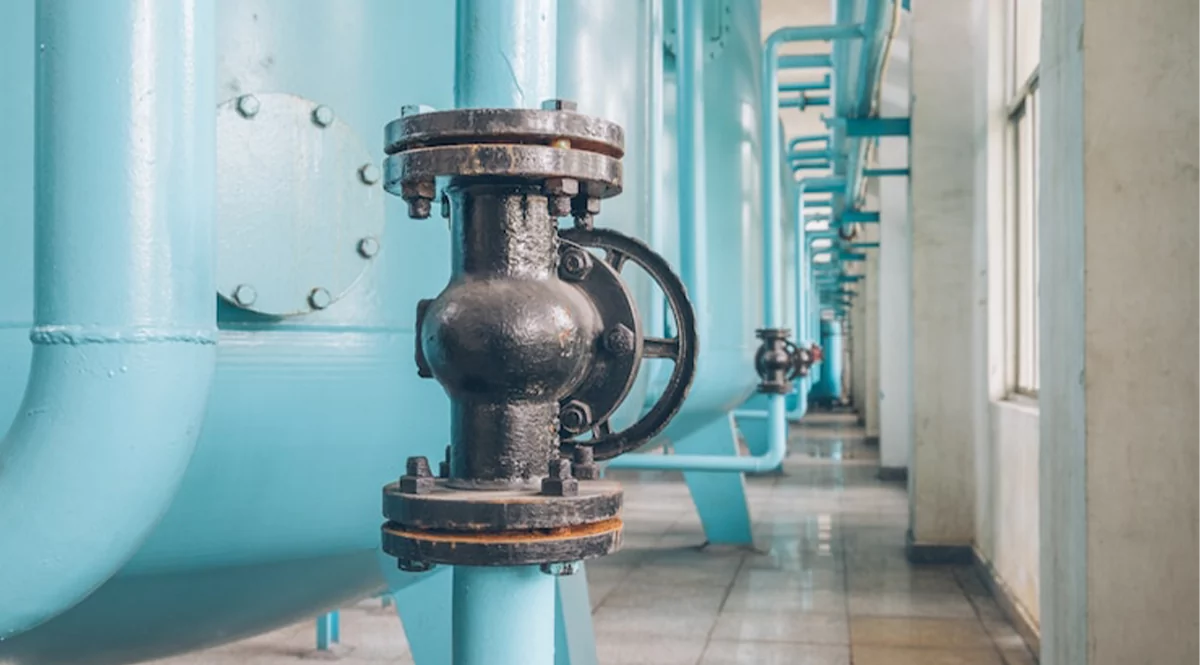
Selecting reliable industrial water components is a cornerstone of efficient, cost-effective, and environmentally sound water treatment and management systems. In industrial settings, water is not just a utility; it’s often a critical process medium, a solvent, a coolant, or a vital component in product manufacturing. The integrity and performance of the components handling this water directly influence operational continuity, product quality, and compliance with stringent environmental regulations.
The first crucial aspect of selection is understanding the specific application requirements. Industrial water systems can range from simple filtration units to complex multi-stage treatment plants, each with unique demands on components. Factors such as flow rate, pressure, temperature, and the chemical composition of the water are paramount. For instance, water containing high levels of dissolved solids, corrosive agents, or abrasive particles necessitates components made from specialized materials like certain stainless steels, exotic alloys, or advanced polymers that can resist degradation. Ignoring these factors can lead to premature component failure, costly downtime, and potential safety hazards.
Reliability in industrial components is often synonymous with durability and longevity. This is typically achieved through robust design, high-quality materials, and stringent manufacturing processes. Reputable manufacturers provide detailed specifications, performance data, and warranty information that attest to the reliability of their products. When evaluating components, consider their Mean Time Between Failures (MTBF) if available, and look for certifications from recognized industry bodies that ensure adherence to quality and safety standards. Components that have a proven track record in similar demanding applications should always be prioritized.
Material compatibility is another critical consideration. The chosen components must be chemically resistant to the fluids they will encounter. For example, using standard carbon steel in a system with acidic water will result in rapid corrosion. Conversely, over-specifying materials can lead to unnecessary costs. Therefore, a thorough analysis of the water chemistry and the potential interactions with component materials is essential. This analysis should also account for potential future changes in water composition or process parameters.
Furthermore, the ease of maintenance and accessibility of spare parts significantly contribute to a component’s overall reliability in an industrial context. Components that are difficult to inspect, service, or repair can lead to extended downtime and increased labor costs. Selecting modular designs or components with readily available spare parts can streamline maintenance operations and minimize disruptions. Engaging with suppliers who offer comprehensive support, including technical assistance and a reliable supply chain for spare parts, is also a wise strategy.
Finally, consider the total cost of ownership, not just the initial purchase price. While a cheaper component might seem attractive, its lower reliability, shorter lifespan, higher maintenance requirements, or increased energy consumption can result in a much higher overall cost over the life of the system. Investing in high-quality, reliable components, even if their upfront cost is higher, often proves more economical in the long run by reducing operational expenses, minimizing downtime, and ensuring consistent performance.
In summary, selecting reliable industrial water components requires a comprehensive approach that balances application-specific needs, material compatibility, manufacturer reputation, maintenance considerations, and the total cost of ownership. By prioritizing these factors, industries can build and maintain water systems that are not only efficient and cost-effective but also sustainable and dependable.